




Families with children 11+
Taking reading from ‘I have to’ to ‘I choose to’
For many young people, reading for pleasure drops off as they move into the secondary school years. Life gets busier, schoolwork becomes more demanding, and reading can start to feel like something they have to do, rather than something they choose.
The National Year of Reading aims to help by reconnecting young people to reading through their interests and everyday lives.

Why this age matters
Reading can fall away in the teenage years
-
Reading at this stage
At secondary school, reading can feel closely associated with learning, which can make it feel like something they have to do, rather than something to be enjoyed.
-
Growing up brings other pressures too
At the same time, young people are developing stronger identities, interests and social lives. They often want more independence, and they’re quick to disengage from anything that feels forced, childish or disconnected from their world.

Passions are the key
How can the National Year of Reading help?
Young people's interests and cultural worlds develop and become part of their identity as they grow into teenagers. Music, sport, gaming, film, fashion and social issues really matter.
Rather than positioning reading as an extra, the National Year of Reading aims to meet young people where they are and show how reading can help them get more from the things they care about.
Because when reading reflects what young people care about – no matter the format – it’s more likely to happen, and more likely to stick.
What counts as reading
Reading doesn’t always look how you expect at this age
By secondary school, much of the reading teenagers do happens beyond books, and often beyond adult view or recognition. It’s woven into the things they care about, the media they follow and the spaces they spend time in.

-
Articles, journalism and online writing
-
Audiobooks, podcasts and interviews
-
Comics, graphic novels and influencers
-
Song lyrics, album notes and spoken word
-
Fiction and non-fiction books and e-books
-
Scripts, screenplays and transcripts
-
Blogs, reviews and fan writing
-
Magazines and specialist publications
Helpful resources
Support reading in ways that fit around teenage life
These resources are designed to help parents support reading without adding pressure. They focus on choice, relevance and formats that work well for teenagers – whether your child already enjoys reading, or is finding it harder right now.
-

Advice for parents
Refocusing reading as something enjoyable shaped around your child’s interests – rather than school or exams – can take away the pressure.
-

Manga and graphic novels
Visual storytelling can be a powerful way to keep teenagers engaged with reading. Graphic novels combine images and text, making them especially appealing for young people.
-

Top reads for 11–13 year olds
From page-turning adventures to thought-provoking stories, these picks can help keep teens motivated and excited to read.
-
The story behind comics
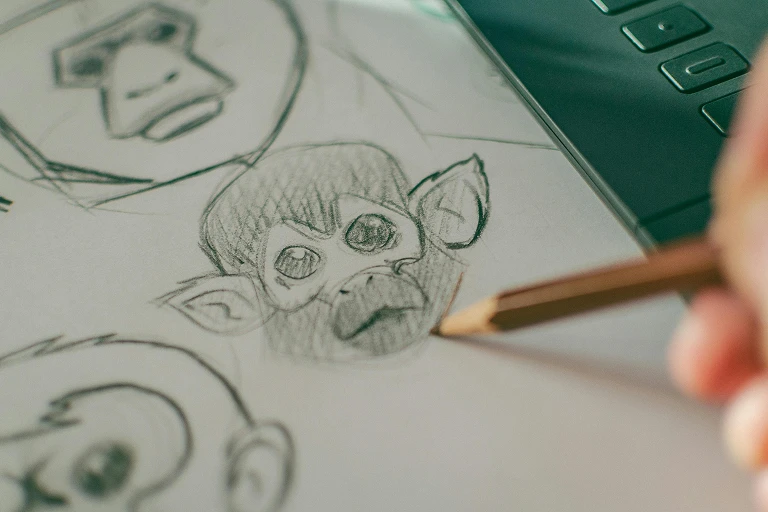
Hear from comics creator, Jamie Smart, whose characters and their colourful worlds have inhabited The Dandy, The Beano and the best-selling ‘Bunny vs Monkey’ books.
-

Gaming and story worlds
Many games are built around rich stories, characters and worlds. Reading connected to video and board games can be a natural way to build on an interest teenagers already have.
-

Audiobooks count too
Audiobooks are a popular option for teenagers who prefer listening, are short on time, or want to enjoy stories while doing other things around the house or on the move.
MENTAL HEALTH AND WELLBEING
Reading can support wellbeing, especially at this age
The teenage years can bring pressure, change and uncertainty for young people and their families. While reading isn’t a solution to mental health challenges, many parents and teenagers find it can offer moments of calm and escape.
Listening to stories or finding words that reflect similar experiences can help young people feel less alone and more understood. For some, reading becomes a way to slow down, switch off, or make sense of how they’re feeling.

Authors live
Stories come from real people, ideas and experiences
The Scottish Book Trust, in partnership with BBC Scotland, has a series of world-class children’s author and illustrator events available to watch on demand. Seeing and hearing directly from authors helps teenagers connect more deeply with stories.
-
Video
Phil Earle
Speaks on all of the different ways to be 'a reader', and how to find inspiration for your own creative writing.
-
Video
A.F. Steadman
We meet the mind behind the epic battles, ferocious unicorns and courageous heroes from the world of Skandar.
-
Video
Elle McNicoll
Discusses her experiences as an autistic author, finding inspiration, and trusting your own voice.
keeping reading affordable
Reading doesn’t have to cost a thing
As teenagers’ interests grow and change, it can feel expensive trying to keep up. But supporting reading at this age doesn’t mean constantly buying books.
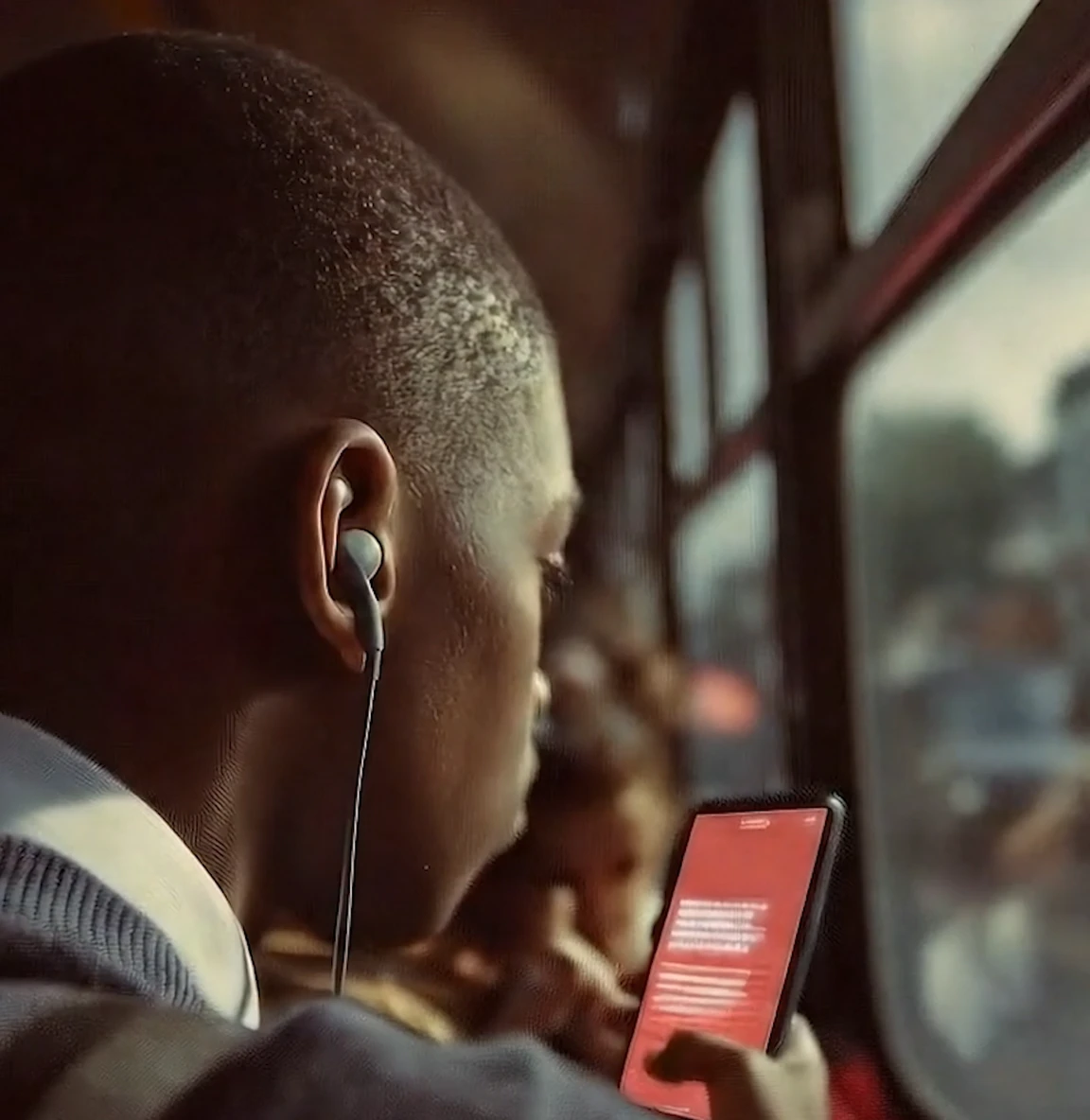
Libraries offer free access to books, audiobooks, magazines and digital reading – both in person and online. Many services are designed for independent use, making it easier for teenagers to explore topics they care about, in formats that fit their lives.
-
BorrowBox
BorrowBox lets families borrow audiobooks and ebooks for free through their local library.
-
Libby
Libby gives free access to ebooks, audiobooks and digital magazines through libraries.
-
CloudLibrary
CloudLibrary gives free access to ebooks and audiobooks through participating local libraries.
Different needs, different routes
Reading isn’t the same experience for everyone
-
Dyslexia and reading
Dyslexia affects how written language is processed, not intelligence or potential. It can also become more noticeable at secondary school as reading demands increase. Audiobooks, graphic novels, subtitles and assisted reading tools can help.
-
Finding wider SEND support
Young people with SEND experience reading in different ways, and some may find traditional print tiring or overwhelming. Flexible approaches and alternative formats can help keep reading part of their lives, on terms that feel manageable.

supporting your reading
Don’t worry if reading doesn’t come naturally
Some parents and carers find reading difficult themselves because of past experiences, confidence, dyslexia, or language barriers. That doesn’t need to stop you being able to support your teenager.
Listening to audiobooks, talking about online articles or magazines, or showing interest in what they’re reading will all help.
There is also free, confidential support available for adults who want help with their own reading.

Authorfy
Helping stories feel even more exciting
Authorfy offers a growing collection of short, child-friendly videos where authors and illustrators share their stories – capturing children’s attention and sparking new interest in the stories they already enjoy.
As part of the National Year of Reading, families can access Authorfy for free, to help bring stories to life at home.
2026 highlights
National reading moments to help you Go All In
Whether your child loves dinosaurs, dancing, football or fairytales, national reading moments bring stories to life. They’re simple ways to get involved throughout the year.
-
2–8 February
National Storytelling Week
A joyful celebration of the power of sharing stories. This year's theme for schools is 'Soundtrack your Story’
-
5 March
World Book Day
The reading for fun charity, World Book Day inspires children everywhere to enjoy the life-changing benefits of reading for fun.
-

23 April
World Book Night
On the UNESCO International Day of the Book, a celebration of reading for adults. Pick up one of this year's Quick Reads.
-
1–7 June
Volunteers Week
A week-long celebration and recognition of the incredible impact of volunteering in communities, schools and libraries.
-
July–September
Summer Reading Challenge
Partnering with Universal Music Group UK, this year's challenge is themed 'Read to the Beat!'
-
10 October
Take 10 to Read
On World Mental Health Day, take 10 minutes to read to relax, boost your mood or escape for a moment.
Events Calendar
A year full of family-friendly events and activities
The National Year of Reading 2026 is packed with opportunities for families to get involved. Find out what’s happening near you and celebrate the joy of reading together.