Families with babies and children 0–5
The earliest years make the biggest difference
For babies and young children, reading is about shared moments – turning pages, talking, singing, looking, listening, being together and connecting. It often lives in everyday routines, offering comfort, familiarity and an opportunity to bond.
The National Year of Reading recognises that reading starts early and looks different for every family. Small moments, repeated again and again, are how children begin to connect with words, sounds and stories. And remember, it’s never too early to start.

Early years reading
You’re already doing more than you think
-
Everyday moments already count
Reading with babies and young children doesn’t have to look a certain way. Talking about what you see, singing the same song on repeat, chatting about pictures in a book – if you’re sharing moments, you’re already supporting reading.
-
Reading starts with connection
At this age, sharing books and stories is about warmth, attention and being together. Children don’t need to sit still or understand every word. They learn through listening, watching, copying and enjoying time with you.

Reading to your bump
It’s never too early
to get started
Babies in the womb can already hear sounds and recognise familiar voices. Reading, talking or singing during pregnancy can be a gentle, comforting way to begin sharing stories – long before your baby arrives.
These early moments aren’t about what you read, or how often. They’re simply about hearing your voice and spending time together. The same stories, rhymes or songs can become familiar and reassuring after birth, helping to create a sense of closeness from the very start.

Capture their attention
Let curiosity lead,
and stories grow
When you start with what your child is already curious about, it’s easier to spark their interest in stories and reading. That’s at the heart of the National Year of Reading – bringing reading closer to everyday life and the things children already love.
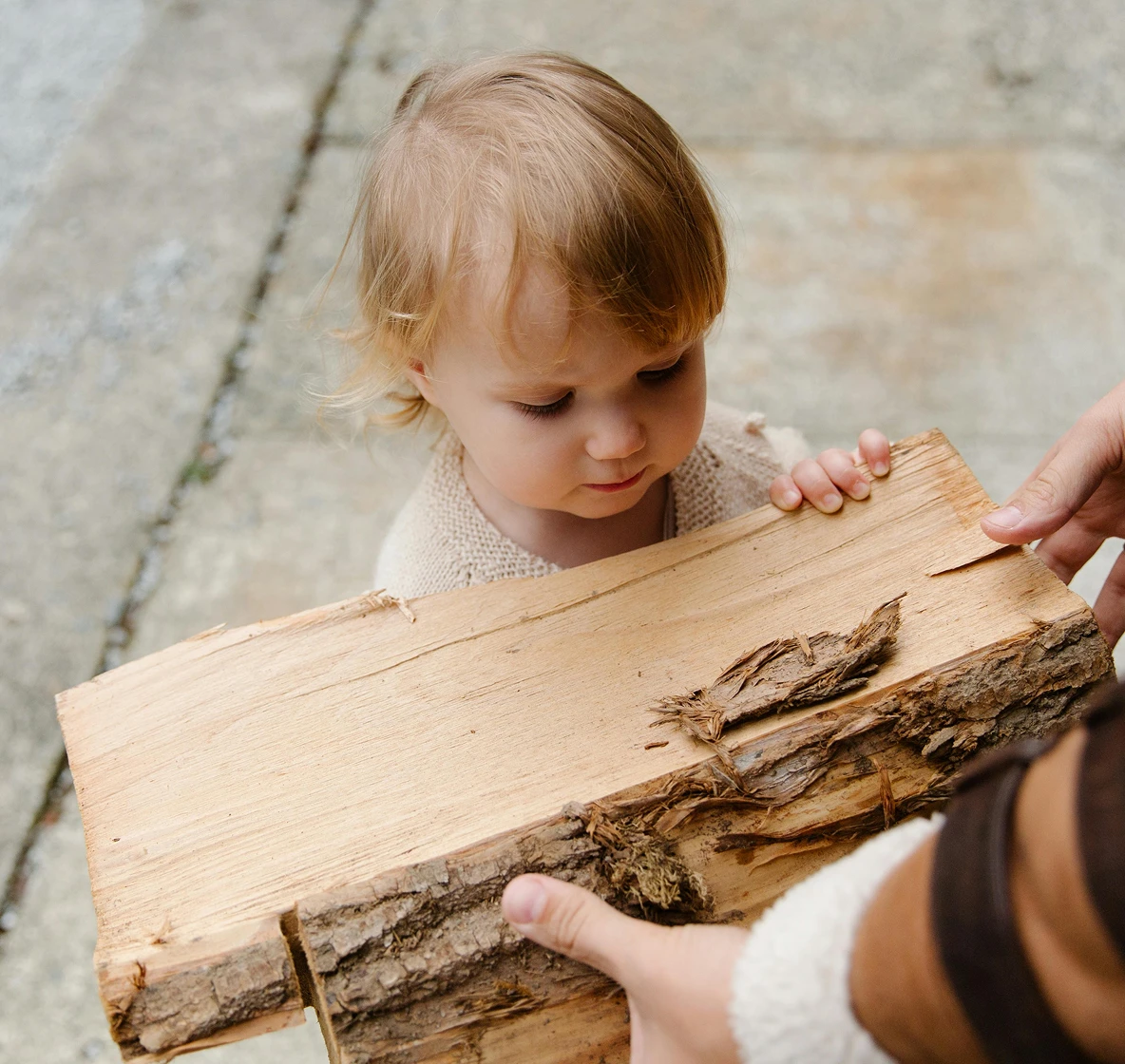
Stories can also work the same way in return, a favourite book can open up new curiosity beyond the page. If they love stories about woodland animals you might notice and talk about bugs in the garden, spot birds on a walk, or visit a local park together.
Those real-world moments can make the story feel even more exciting when you come back to it.
What counts as reading
Even at this young age, reading doesn’t always look like a book
For under-fives, reading is much bigger than pages, print and planned activities. Everyday moments all count on the journey towards reading for pleasure.

-
Talking about what you see
Pointing things out, talking about what your child notices, and naming things you spot together.
-
Singing a favourite song
Singing songs together, making up actions, or letting your child join in however they like.
-
Looking at pictures
Sharing photos, picture books or images, and talking about what catches their eye.
-
Listening to stories
Audiobooks, bedtime stories, or hearing someone else read aloud all counts.
-
Noticing signs and labels
Pointing out words and pictures on signs, packaging or labels in everyday places.
-
Making up stories
Talking about what toys are doing, inventing characters, or adding a story to everyday play.
-
Repeating rhymes
Enjoying repetition, even when it’s the same rhyme every day. Again, and again, and again!
-
Naming things as you go
Clothes, food, body parts, objects, try and use everyday words in everyday moments.
Helpful resources
Support for sharing stories at home
Whether you’re just starting to share stories with your baby or child, or already have routines, these resources can help you along the way. They’re designed to be easy to use at home and to fit around real family life.
-

Sing rhymes and songs
This is a good way to help your child learn new sounds and words through rhyme and repetition, as well as being a great way to have fun together.
-
Share stories together
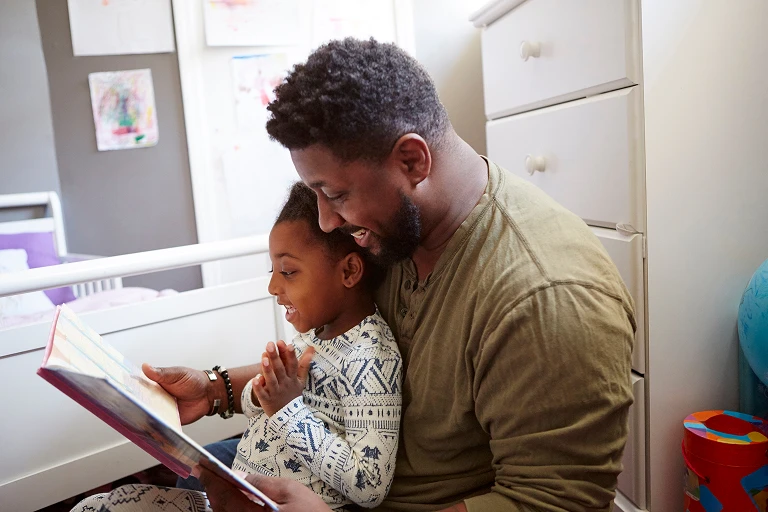
You don’t always need to read the words in books. Looking at and talking about picture books is a great way to encourage your child to enjoy stories.
-
Create your own story sack
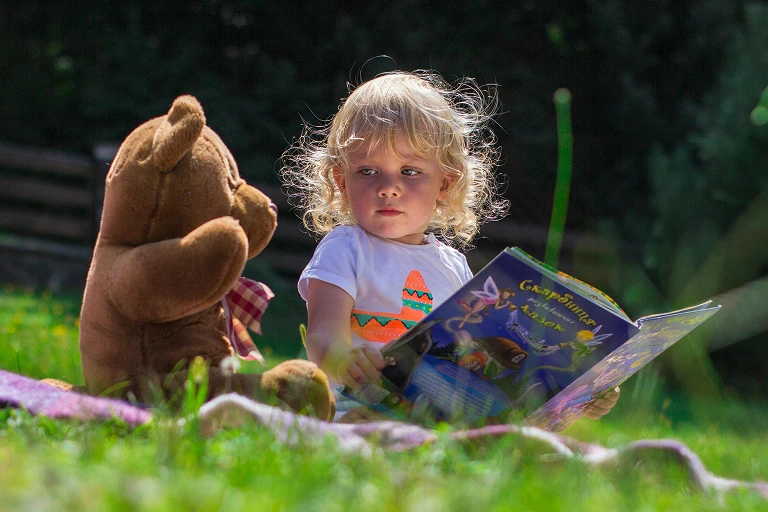
A story sack is a fun, hands-on way to bring books to life at home. With just a few simple objects, you can make reading feel exciting and interactive for your baby or toddler.
-
Talking, singing and sharing
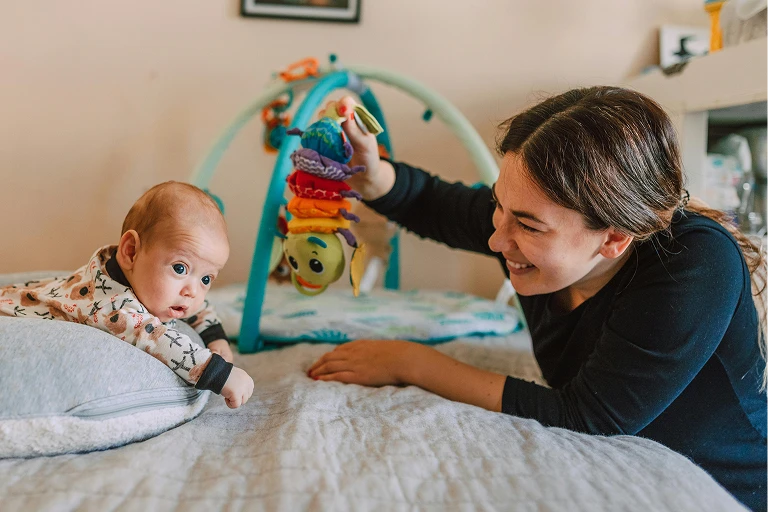
A guide from Cbeebies Parenting with ideas for sharing stories and songs with babies and young children, wherever you’re starting from.
-

Storytelling tips
A selection of guides from BookTrust offers useful tips for sharing stories with babies and young children.
-
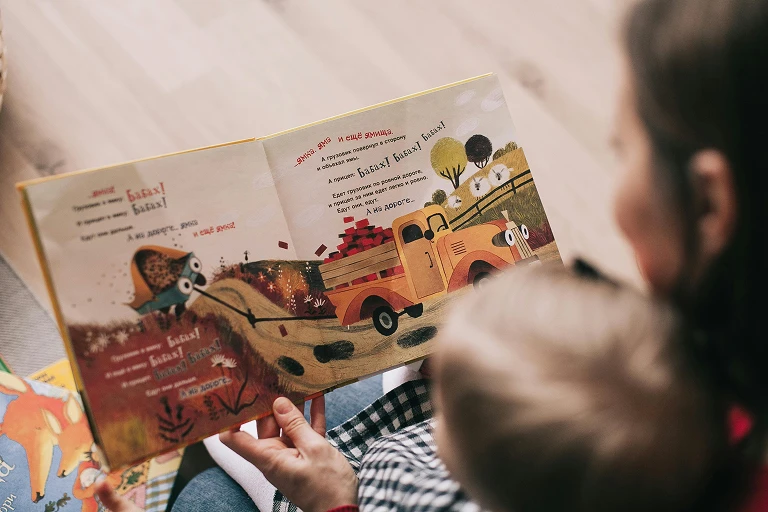
Choosing books together
You can help your child become interested in books by letting them choose which ones you read together.
Read, share and connect
Connection and support close to home
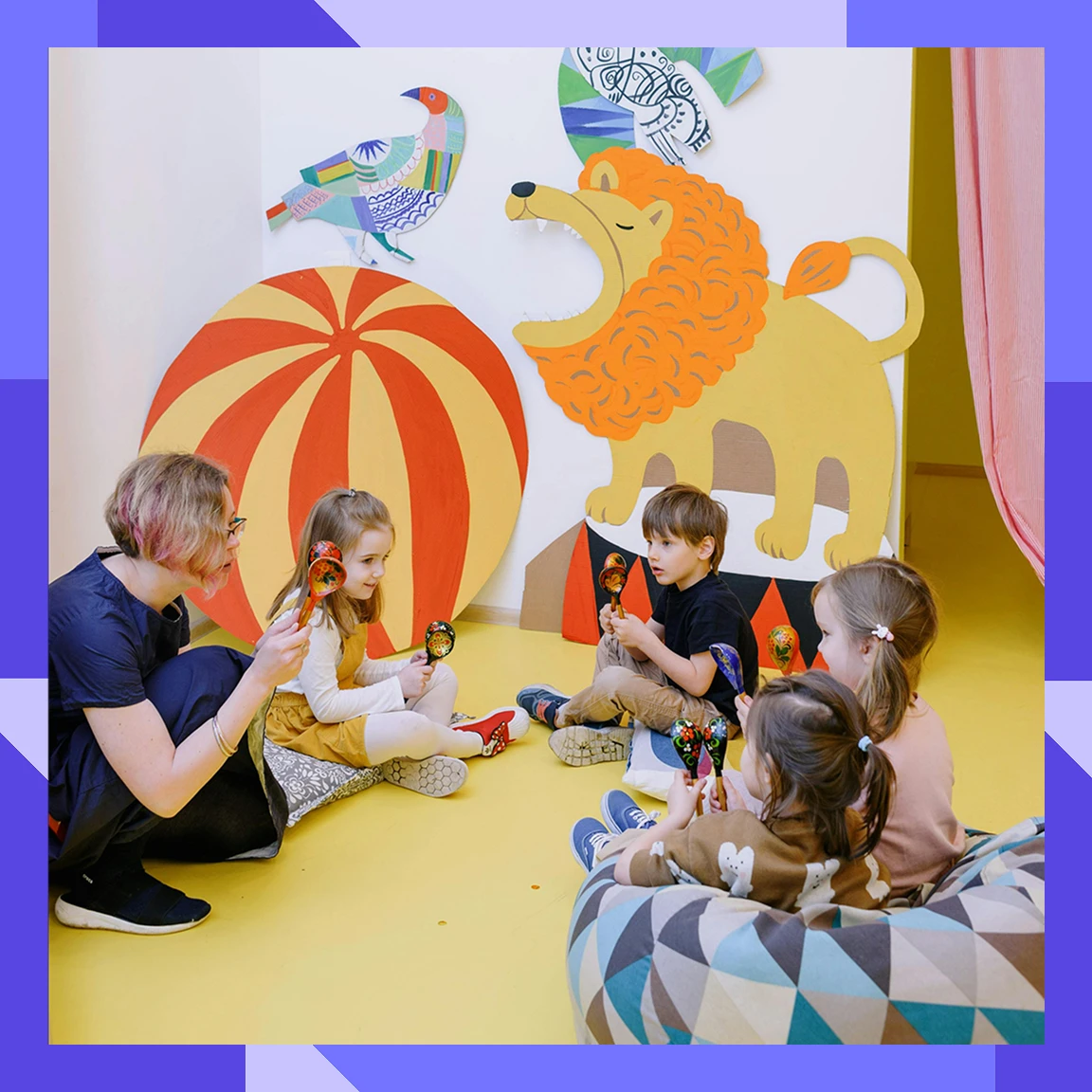
Libraries and Family Hubs are welcoming spaces where families can get help with reading, and spend time with others going through similar stages.
From baby rhyme times and reading corners to friendly conversations with librarians or family workers, these shared spaces can make reading feel easier and helps parents and carers feel supported too.
Authors live
Stories come alive when children hear from the author
As children grow, they begin to notice that stories don’t just appear – they’re created by people with ideas, imaginations and voices of their own.
The Scottish Book Trust, in partnership with BBC Scotland, has gathered a small selection of child-friendly, on-demand videos that introduce authors and illustrators in a warm, accessible way, designed to be shared together.
-
Video
Benji Davies
The award-winning illustrator and author joins us to celebrate 10 years of his wonderful picture book, The Storm Whale. Contains not one, but two draw-alongs.
-
Video
Catherine Rayner
Catherine Rayner shares her picture book Arlo: The Lion Who Couldn't Sleep, a beautiful story about finding peace and calm.
-
Video
Fiona Lumbers
Join author and illustrator Fiona Lumbers for a celebration of the highly acclaimed Luna Loves… series, written by Joseph Coelho and illustrated by Fiona Lumbers.
Keep reading affordable
Great stories don’t need to cost a thing
Children’s interests shift, favourite stories are loved intensely for a while and then suddenly left behind. It can be hard to keep up and provide the books and materials that interest them.
But, supporting reading at this age doesn’t mean constantly spending money. Your local library makes it easy to follow your child’s changing interests. You can borrow, return, try something new, and move on as often as you need to.

Trusted platforms
Websites can be a rich source of inspiration
We’ve gathered a small selection of well-known platforms that families already use and trust. Each offers a wide range of early years–appropriate content you can explore and discover at your own pace.
-
Website
CBeebies Parenting
Brings together trusted advice, stories, songs and activities for families with young children. Drawn from across the BBC’s early years content.
-
Website
Words for Life
Words for Life, from the National Literacy Trust, shares simple ideas to support talking, reading and singing with babies and young children.
-
Website
Best Start in Life
Offers guidance and resources to support families through pregnancy and the early years – focused on everyday interactions and shared moments.
-
Website
NSPCC’s Look, Sing, See, Say
It offers gentle ideas around talking, singing and sharing time together, all presented in a calm, supportive way.
-
Website
BookTrust for Early Years
Their lists help families discover new stories to enjoy together, whether you’re visiting the library or choosing what to read next at home.
-
Website
Family Corner
Early Learning Alliance brings together resources, ideas and guidance for families with young children.
If reading feels hard
Children don’t need a perfect storyteller. They just need you.
Many parents and carers don’t feel confident with reading themselves – and that’s okay. You don’t need to read aloud, finish a book, or know all the words to help your child enjoy stories.
Talking, listening, singing, looking at pictures, or sharing a story in any form counts. That includes telling stories in the language you know best – your voice and your words are what matter most.

If you’re worried
Babies and children learn and develop at their own pace
If you have questions about your child’s speech or how they’re engaging with stories and language, there are trusted services you can reach out to for guidance and reassurance.
Authorfy
Helping stories feel even more exciting
Authorfy offers a growing collection of short, child-friendly videos where authors and illustrators share their stories – capturing children’s attention and sparking new interest in the stories they already enjoy.
As part of the National Year of Reading, families can access Authorfy for free, to help bring stories to life at home.
2026 highlights
National reading moments to help you Go All In
Whether your child loves dinosaurs, dancing, football or fairytales, national reading moments bring stories to life. They’re simple ways to get involved throughout the year.
-
2–8 February
National Storytelling Week
A joyful celebration of the power of sharing stories. This year's theme for schools is 'Soundtrack your Story’
-
5 March
World Book Day
The reading for fun charity, World Book Day inspires children everywhere to enjoy the life-changing benefits of reading for fun.
-

23 April
World Book Night
On the UNESCO International Day of the Book, a celebration of reading for adults. Pick up one of this year's Quick Reads.
-
1–7 June
Volunteers Week
A week-long celebration and recognition of the incredible impact of volunteering in communities, schools and libraries.
-
July–September
Summer Reading Challenge
Partnering with Universal Music Group UK, this year's challenge is themed 'Read to the Beat!'
-

10 October
Take 10 to Read
On World Mental Health Day, take 10 minutes to read to relax, boost your mood or escape for a moment.
Events Calendar
A year full of family-friendly events and activities
The National Year of Reading 2026 is packed with opportunities for families to get involved. Find out what’s happening near you and celebrate the joy of reading together.