Families with children 5–11
Turn what they love into a love of reading
The primary years are when children learn how to read, and start to read independently, and when life-long habits really begin to take shape.
The National Year of Reading is here to support you with ideas and encouragement to help your child enjoy reading.

Why this age matters
You’re not replacing school, you’re adding something different
-
Learning to read at school
At primary school, children are learning how reading works. Teachers support them to build skills like phonics, fluency and understanding, giving them a strong foundation as they become more independent readers.
-
Reading for pleasure at home
At home, reading can be more relaxed and helps children explore their interests, build confidence and enjoy stories and information in their own way – without it feeling like homework.

passions and interests
Start with what they love and reading follows
During the primary school years children’s passions explode – dinosaurs, dancing, gaming, art, the outdoors. These interests are your biggest ally.
That’s why the National Year of Reading is all about helping you use their interests and natural curiosity as the starting point to get children reading regularly for pleasure.
What counts as reading
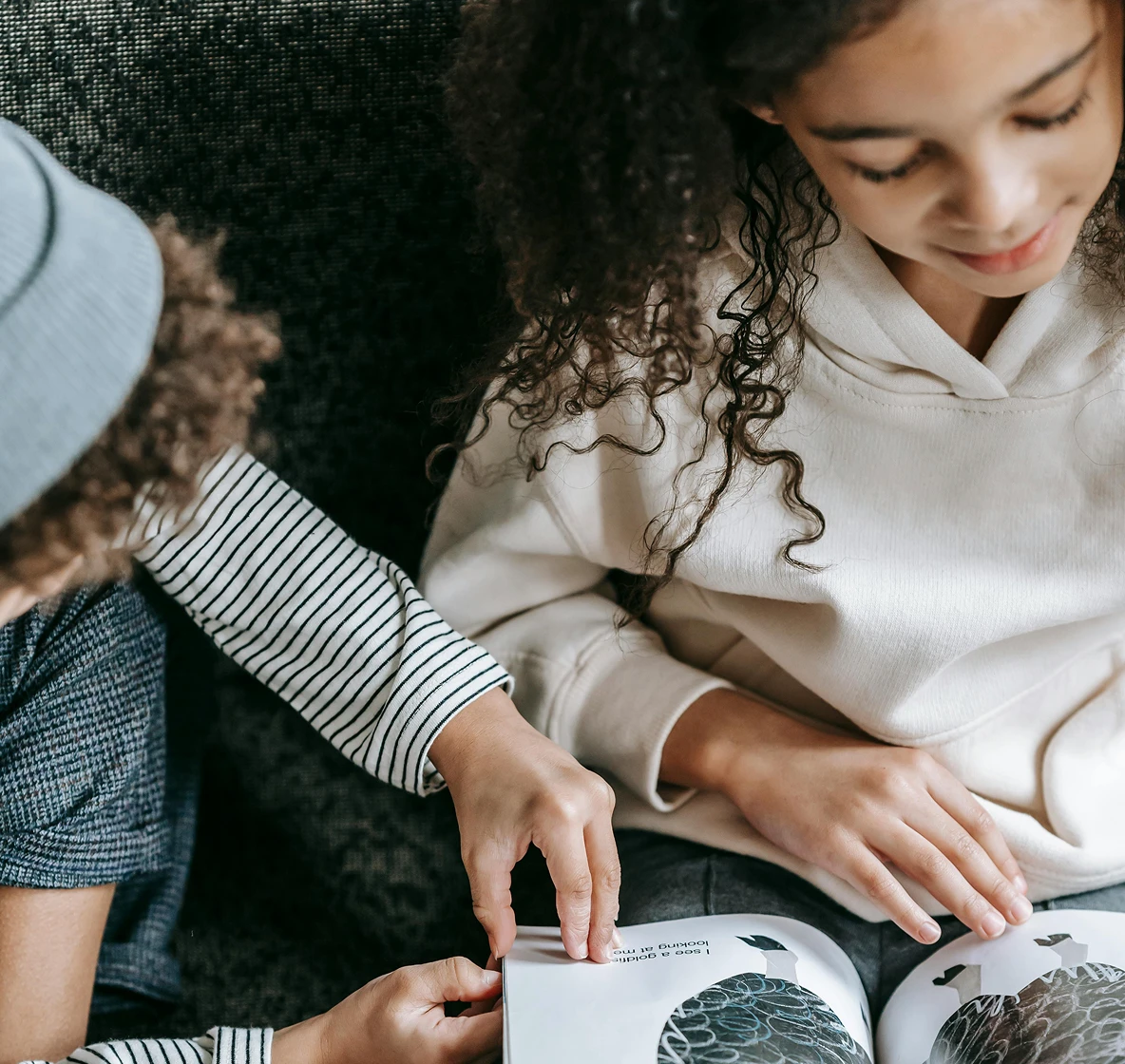
Reading looks different for every child
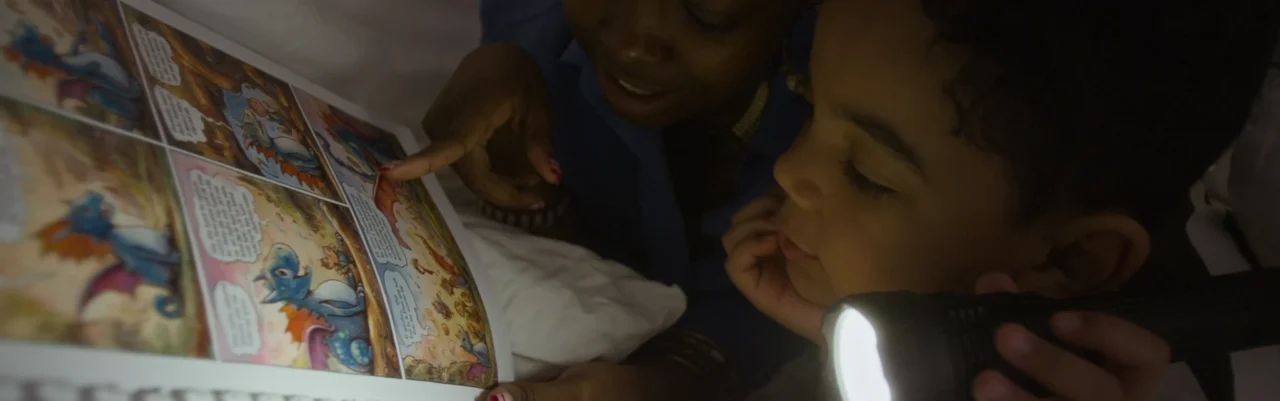
Many parents and caregivers worry that reading “should” look a certain way. In reality, children build confidence and understanding through all kinds of reading. The most important thing is they explore words and share stories, no matter the format.
-
Comics and
graphic novels -
Audiobooks and podcasts
-
Album covers, song lyrics and poems
-
Fiction and
non-fiction -
Magazines and catalogues
-
Recipes, ingredient lists and menus
-
Instruction manuals and user guides
-
Football programmes and trading cards
Helpful resources
Simple ways to support reading at home
Supporting your child’s reading doesn’t have to be complicated or expensive. These resources are here to help you find approaches that work for your family, your budget and your daily routines.
-
Make reading feel easy
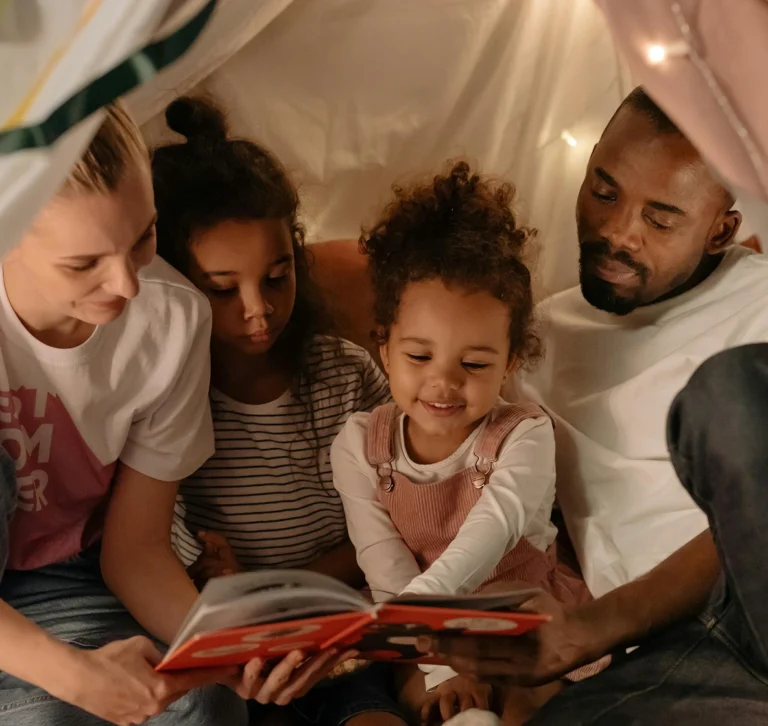
Busy days can get in the way of reading. These practical tips show how to weave stories into everyday family life in ways that feel natural, enjoyable and achievable.
-
Focus on their hobbies
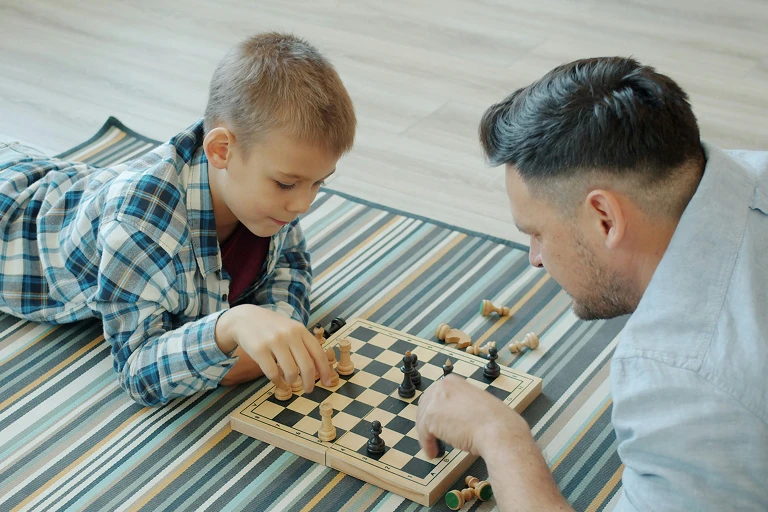
Hobbies can be a great way to get them reading, writing and chatting. Read these five tips on how to make the most of your child’s passion.
-
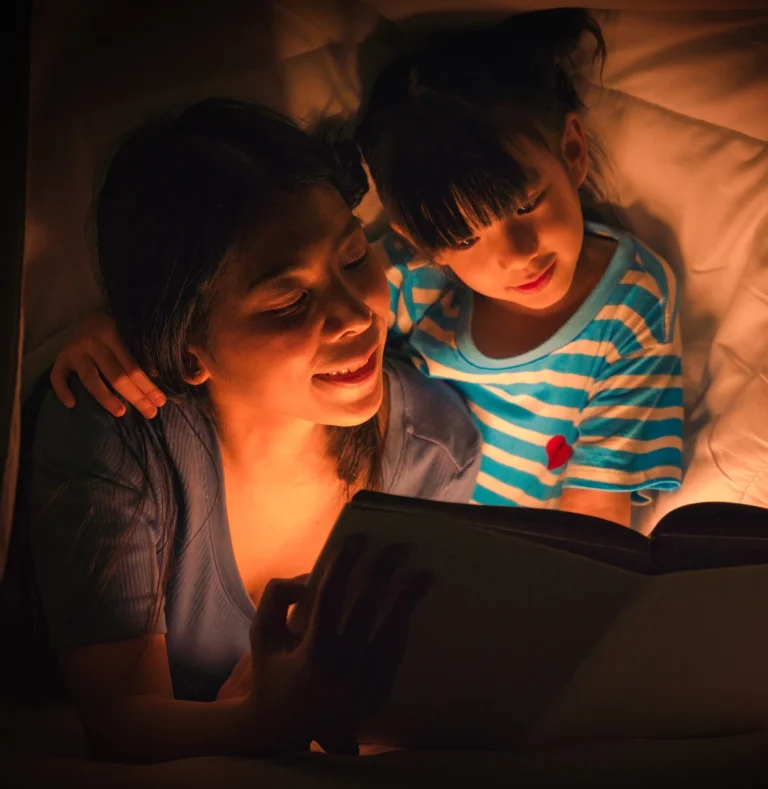
Keep reading together
Even when children can read on their own, being read to still matters. It helps build confidence and connection – as well as making more books accessible.
-
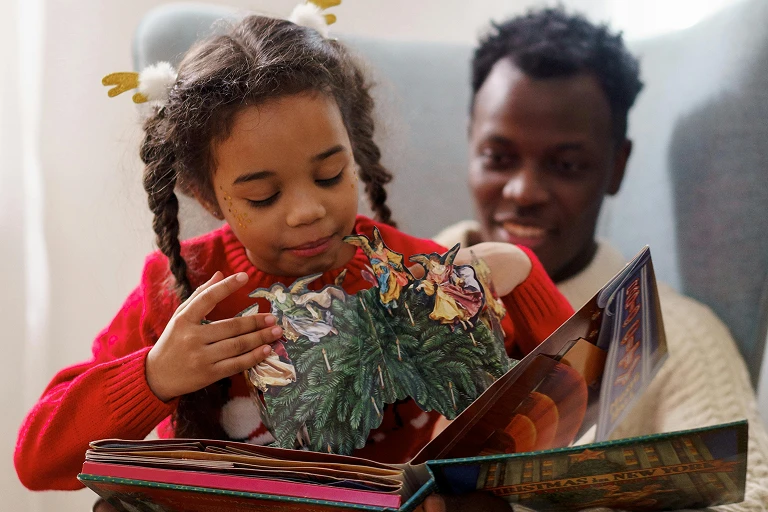
Books that reflect real lives
Children are more likely to enjoy reading when they can see themselves and their world in stories. There are lots of exciting children's stories reflecting diverse experiences to explore.
-

From gaming to reading
Many games are built around rich stories, characters and worlds. Reading around those games is a natural next step from something your child already enjoys.
-

Listen to audiobooks together
Listening to stories counts as reading too. Audiobooks can help children enjoy stories and make reading part of everyday moments and routines.
keeping reading affordable
Great stories don’t need to cost a thing
Children at primary age often want to explore new stories and topics all the time, but that doesn’t mean you need to keep buying books. Your local library is full of free books, ebooks and storytimes for families. If getting there isn’t easy, digital platforms can help you access stories and magazines at home.
You can also share books with friends, neighbours or family. And many schools and Family Hubs run book swaps, community bookshelves or lending schemes – giving children even more chance to discover something new.

-
BorrowBox
BorrowBox lets you borrow audiobooks and ebooks for free through your local library. It’s a great option for listening together, supporting reluctant readers, or enjoying stories on the go.
-
Libby
Libby gives free access to digital magazines, ebooks and audiobooks through libraries. Children can explore topics they already love in a format that feels familiar and fun.
-
Twinkl
Twinkl offers child-friendly magazines and reading content designed to support confidence and enjoyment. Many schools provide access, and free content is available to families.
Authors live
Children often feel differently about books when they see the people who create them
The Scottish Book Trust, in partnership with BBC Scotland, has a series of world-class children’s author and illustrator events available to watch on demand.
-
Video
Alex Scheffler
The beloved and highly celebrated illustrator of The Gruffalo, The Highway Rat and many more family favourites, joins us to mark 25 years of The Gruffalo.
-
Video
Cressida Cowell
The number one bestselling author-illustrator reflects on the important work she has done during her time as Children's Laureate.
-
Video
Mark Bradley
Join comic book artist Mark as he discusses the importance of comics and how they can form an important part of our reading and learning.
Extra support for families
If you’re worried your child is falling behind
Many parents have moments of concern about their child’s reading – sometimes after a conversation with school, or from behaviours they notice at home. That worry is understandable, and it doesn’t mean you’ve done anything wrong.
Reading progress isn’t always a straight line. With the right support, encouragement and resources, children can build confidence and find their way back to enjoying reading.
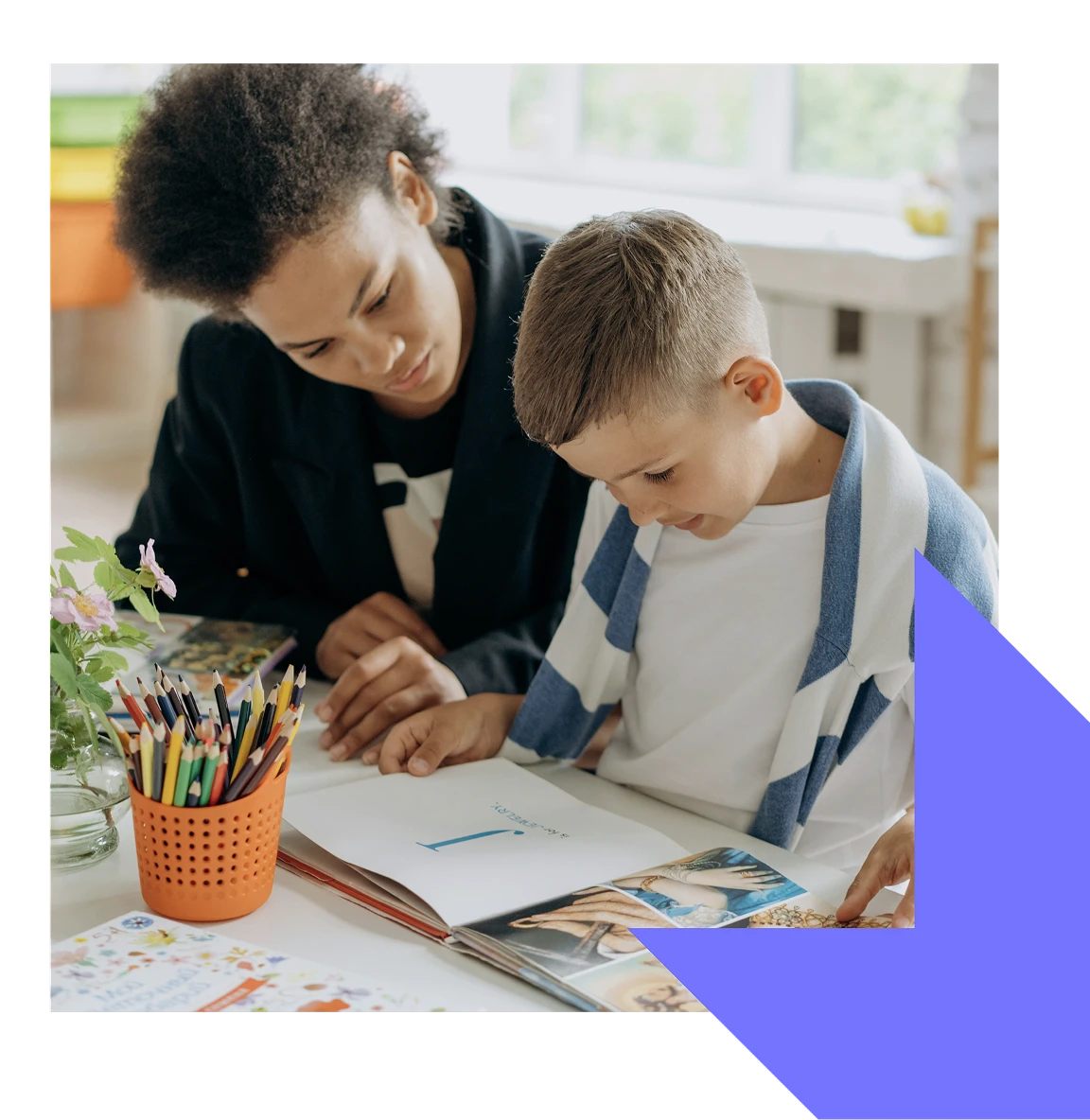
Understanding different needs
Support for dyslexia and SEND
-
Understanding dyslexia
Dyslexia can affect how children process written language, but it isn’t linked to intelligence or potential. With the right support, many dyslexic children become confident, enthusiastic readers.
-
Finding wider SEND support
If your child has additional needs, there is help available locally and nationally. Specialist organisations can offer guidance, practical strategies and reassurance as you find what works best for your child.
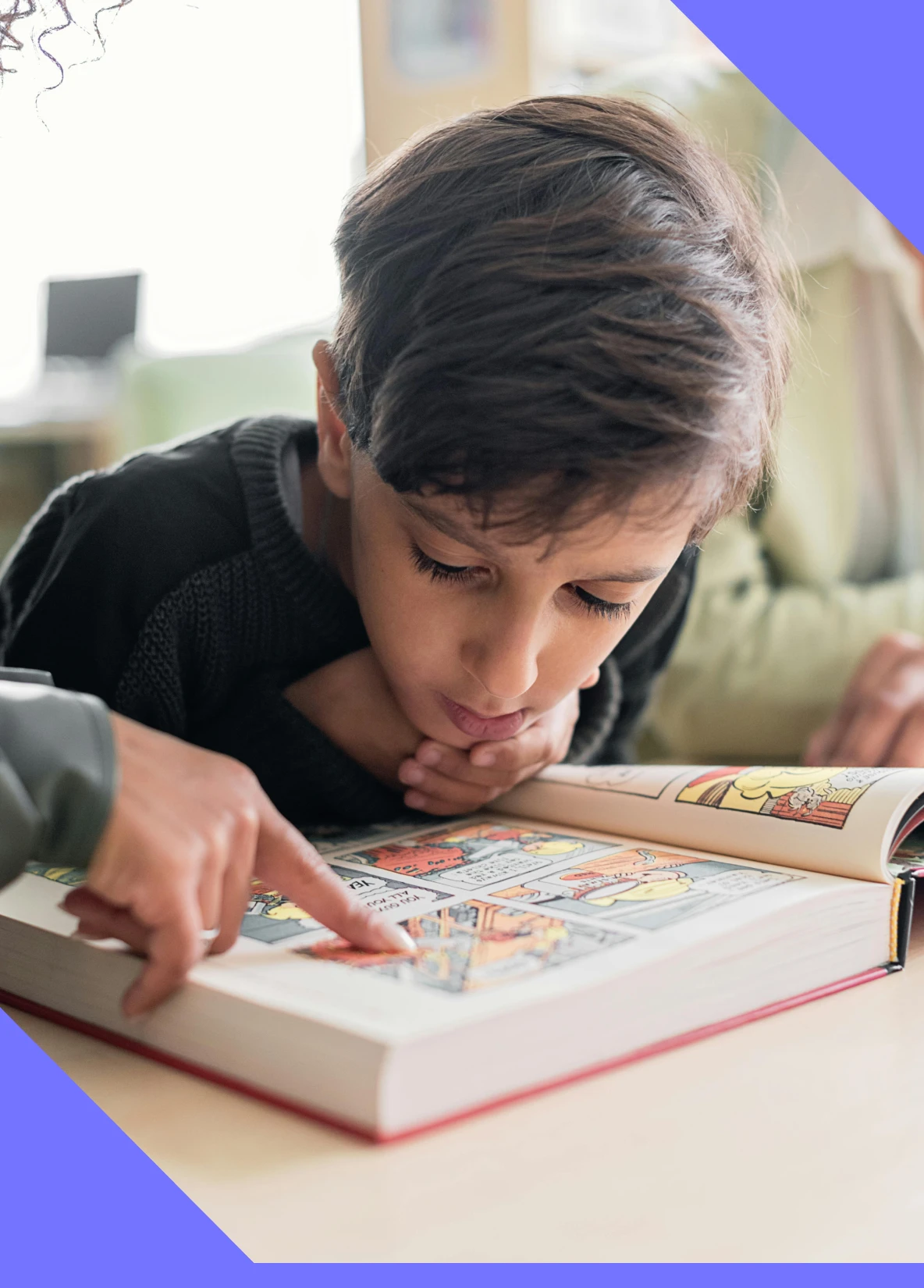
supporting your reading
Reading doesn’t come naturally to everyone
Some parents and caregivers struggle with their own reading, but you don't have to be a confident reader to support your child. Looking at books or listening to audio together, and simply taking the time to share stories can all build strong reading habits.
There is also free, confidential support available for adults who want help with their own reading.

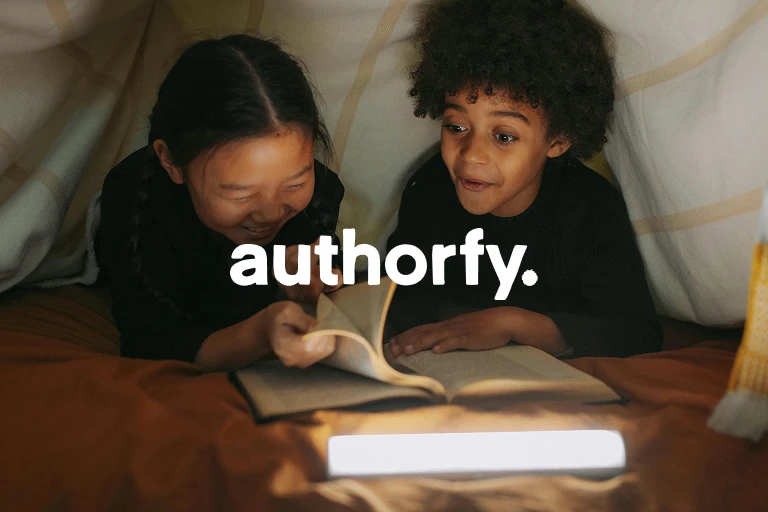
Authorfy
Helping stories feel even more exciting
Authorfy offers a growing collection of short, child-friendly videos where authors and illustrators share their stories – capturing children’s attention and sparking new interest in the stories they already enjoy.
As part of the National Year of Reading, families can access Authorfy for free, to help bring stories to life at home.
2026 highlights
National reading moments to help you Go All In
Whether your child loves dinosaurs, dancing, football or fairytales, national reading moments bring stories to life. They’re simple ways to get involved throughout the year.
-
2–8 February
National Storytelling Week
A joyful celebration of the power of sharing stories. This year's theme for schools is 'Soundtrack your Story’
-
5 March
World Book Day
The reading for fun charity, World Book Day inspires children everywhere to enjoy the life-changing benefits of reading for fun.
-

23 April
World Book Night
On the UNESCO International Day of the Book, a celebration of reading for adults. Pick up one of this year's Quick Reads.
-
1–7 June
Volunteers Week
A week-long celebration and recognition of the incredible impact of volunteering in communities, schools and libraries.
-
July–September
Summer Reading Challenge
Partnering with Universal Music Group UK, this year's challenge is themed 'Read to the Beat!'
-

10 October
Take 10 to Read
On World Mental Health Day, take 10 minutes to read to relax, boost your mood or escape for a moment.
Events Calendar
A year full of family-friendly events and activities
The National Year of Reading 2026 is packed with opportunities for families to get involved. Find out what’s happening near you and celebrate the joy of reading together.