



Going All In with vision impairment: five top tips for accessible children’s reading
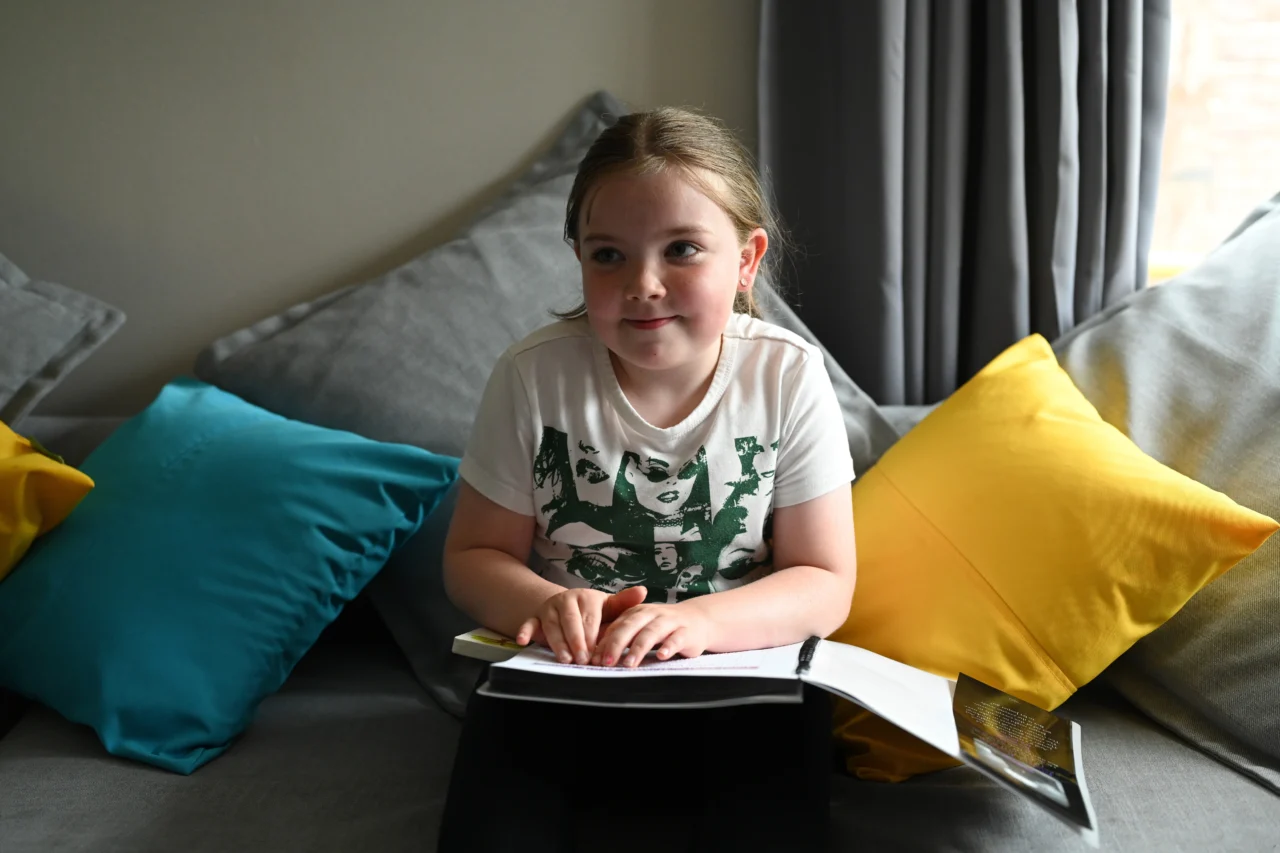
As a National Year of Reading partner, RNIB recommends some easy steps to help anyone with vision impairment get the most out of reading. Whether you choose audio, braille, large-print or electronic, reading lets you access anything you love, anytime you like.
1. Pick your topic
Find a book that excites you. Think of your favourite author, look up your favourite subject, or ask a friend to recommend something. It could be a crime novel, a guide to nature, or a musician’s memoir – it doesn’t matter, as long as you love it.
If you’re stuck, ask your local librarian for help.
2. Find the right format
Your type of text might be large-print, audio, electronic books or braille. There are lots of options for you to choose from. Browse shops, libraries and online to work out what format works best for you and where you go to get it.
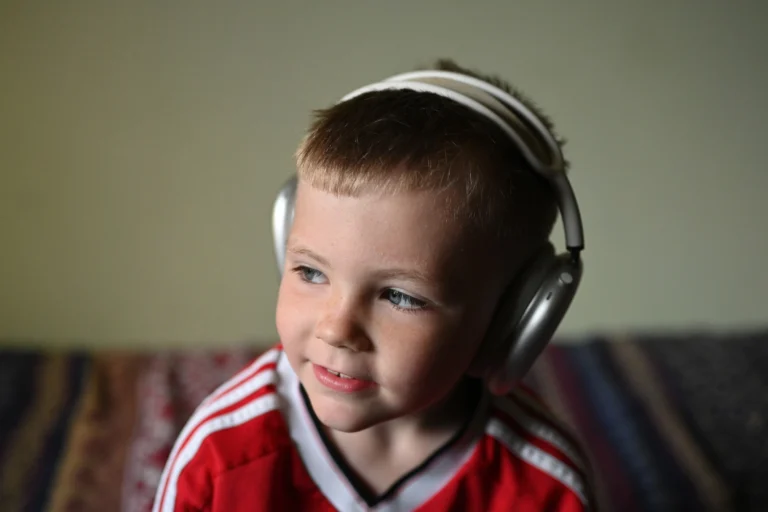
3. Use the right lighting
You might like low light for less glare, a lamp for focus, softer natural light from a window, or a combination of any of these. Try them out and see what you prefer.
4. Get the right equipment
There’s plenty available to make things easy for you: low-tech magnifiers might work in some situations and hi-tech tablets will be better in others. Sometimes you might even just need a decent cup of tea. Grab whatever makes you most comfortable and take a seat.
5. Read about it
Whether it’s fact or fiction, lose yourself in the pages for a little while. If you’re reading a “how to…” guide, why not put the reading into practice by trying a new skill or hobby? Join a book club to find people who love the same thing as you. Just have fun.
Find out more
For a comprehensive guide to accessible formats and providers and where to go if you need help, check out RNIB’s information on Children’s Reading.
By Tom Norton, Information and Resource Officer at RNIB, a National Year of Reading partner.